
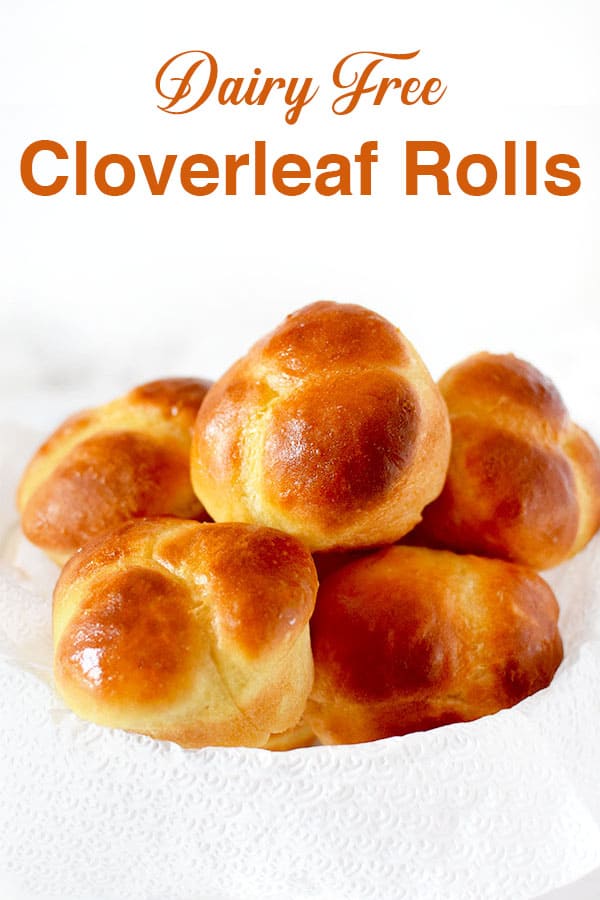
These dairy free cloverleaf rolls are moist, light, fluffy, and perfect for Thanksgiving or a family dinner!
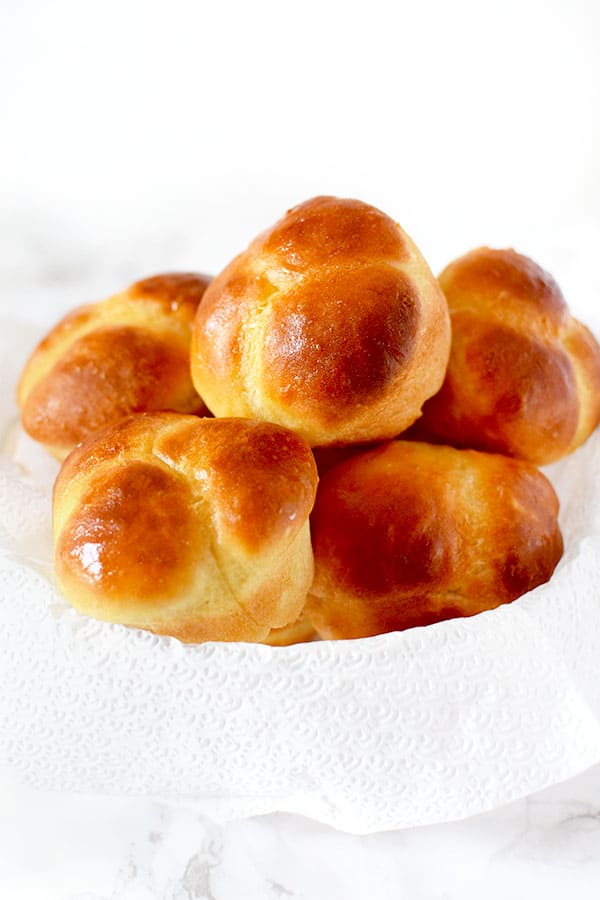
Cloverleaf rolls originate from and are popular dinner rolls in the United States. Unlike most breads, which describe a particular recipe, these are named because of their shape.
Cloverleaf rolls are rolls that have three parts, making them look like clover leaves.
If you like these dairy free cloverleaf rolls, you may also like my dairy free no knead cloverleaf rolls dinner rolls, my dairy free yeast rolls, and my dairy free crescent rolls.
Jump to:
How to Measure Flour and Other Dry Ingredients
The best way to measure dry ingredients is with a scale, but in the United States, dry measuring cups are usually used instead.
Weighing ingredients is useful for home bakers, but it's especially important for professional bakers because they work with huge batches.
I usually use dry measuring cups when baking too, because I didn't grow up in a country that generally weighs ingredients, so please don't feel like you can't use them.
To measure most dry ingredients, first spoon them into a dry measuring cup and then level off the measuring cup with an upside-down butter knife.
Make sure not to pack it down because this will cause you to use more of the ingredient than the recipe calls for.
Brown sugar is the exception to the rule, though. To measure brown sugar, pack it into the measuring cup and then level off any excess.
To measure chocolate chips, nuts, or dried fruit, just pour them into the dry measuring cup and then level them off.
What are dry measuring cups?
Dry measuring cups are the set of cups that usually come with measuring spoons. Each cup is a different measurement, just like each spoon is a different measurement.
Liquid measuring cups, on the other hand, are the cups that usually hold more than one cup and have lines on the side that mark the measurements.
The problem with using liquid measuring cups to measure powdery dry ingredients, like flour and cocoa, is that you shake the cup to level them off. This causes the powder to settle, and you end up with more than you need.
I tested this with a friend who didn't believe me, and we ended up with a quarter cup more flour than the recipe called for.
Should I sift the flour and other dry ingredients?
It's usually recommended to sift your powdery ingredients, like flour and cocoa, before using them.
Sifting aerates the flour and removes any lumps, which helps make baked goods fluffier.
It also helps you get a more accurate measurement than when you use flour that's been packed tightly in a bag.
And sifting dry ingredients together, like flour, cocoa, and baking powder, helps make sure they're evenly distributed in the batter. Which honestly, I think is probably overrated, so I personally never bother with it.
Which Type Of Oil should i use?
I don't specify in the recipe which type of oil to use because it's mostly personal preference and I don't want anyone to feel they have to use specifically that type of oil. For the most part, you can use whatever oil you feel most comfortable using.
I use neutral oils like canola oil, safflower oil, and vegetable oil.
You can also use stronger oils like olive oil and coconut oil, but keep in mind that they may change the taste somewhat.
If you're going to use olive oil, use the one labeled pure olive oil because it has the mildest flavor. This should make the flavor a lot less noticeable.
Is It Better to Use Canola Oil or Olive Oil?
Canola oil is relatively cheap and, due to its lack of flavor and high smoke point, is very versatile.
Olive oil, on the other hand, is generally considered a healthier choice.
So, really, it's whatever you prefer.
How to Store Oil
Store oils in a cool, dark place to prevent them from becoming rancid.
If you store them in the fridge, some oils, like olive oil, may solidify and look strange, but don't worry, they'll return to normal at room temperature.
Coconut oil begins to solidify in temperatures under 76°F or 25°C.
Do Eggs Need to Be at Room Temperature?
The short answer is "no."
While a lot of recipes call for room-temperature eggs, the difference is only noticeable if you do a side-by-side comparison, and even then, the difference is very slight.
Are Eggs Dairy?
No, eggs are not dairy.
Dairy is milk and any food products made from milk, including cheese, cream, butter, and yogurt.
So, while eggs are an animal product, they are not dairy.
Recipes like pancakes without milk are dairy free even though they contain eggs, since they do not use milk or butter.
If this sounds like a silly question to you, you'd be surprised how many people think eggs are dairy because they're in the refrigerated section of the supermarket.
How Can I Tell if My Eggs Are Still Good?
Fill a glass with cool water and submerge the eggs.
If the eggs sink to the bottom and lay flat on their side, they're still fresh.
If they sink but stand on one end at the bottom of the glass, the eggs are older but still good to use.
If an egg floats to the top, it's very old and should be checked carefully for signs of spoilage before using.
What kind of sugar should I use?
You should use white granulated sugar, which is also called white sugar, granulated sugar, and table sugar.
If you live in the United Kingdom, you can use caster sugar instead.
You should not use powdered sugar, which is mostly used for dusting desserts and making frosting, icing, and glazes. But it is sometimes used to make fudge.
Can I use honey instead of sugar?
If you'd prefer to use honey instead of sugar, like I do in my honey challah recipe, you can. However, it may change the taste and texture somewhat.
Honey is sweeter than sugar, so you don't need as much of it. As a general rule, use ¾ cup of honey for every 1 cup of sugar.
- 1 cup sugar → ¾ cup honey
- ¾ cup sugar → ⅔ cup honey
- ½ cup sugar → 6 tablespoons honey
- ¼ cup sugar → 3 tablespoons honey
Honey also adds liquid to the recipe, so you'll need to reduce the other liquid. For every cup of sugar you replace with honey, reduce the other liquid by about 3 to 4 tablespoons.
- 1 cup honey → remove 3 to 4 tablespoons liquid
- ¾ cup honey → remove about 2¼ to 3 tablespoons liquid
- ½ cup honey → remove about 1½ to 2 tablespoons liquid
- ¼ cup honey → remove about 1 tablespoon liquid
If there isn't enough liquid in the recipe to remove, you can remove it from the egg whites instead, but NEVER remove it from the oil.
Honey also causes baked goods to brown more quickly. For this reason, avoid using honey in recipes that need to be baked at temperatures above 350°F or 175°C.
How To Freeze
Let bread cool completely.
Wrap each loaf tightly in plastic wrap and again in foil or freezer paper. Or, use a zip-top freezer bag with all of the air removed.
Freeze for up to 6 months. After that, the bread may become freezer burnt.
If you do leave bread in the freezer too long, and it becomes a little stale or slightly freezer burnt, don't throw it out.
Instead, you can use it to make dairy free French toast.
How to Defrost
Defrost bread in the oven at 325°F or 163°C for 20 to 30 minutes, until soft and fully thawed in the middle.
Other Recipes You May Like:
Dairy Free Cloverleaf Rolls
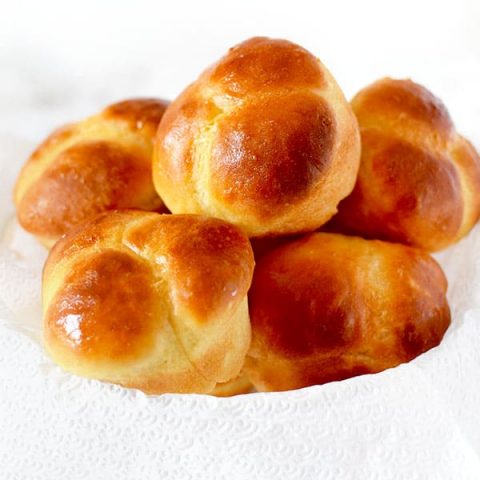
These dairy free cloverleaf rolls are perfect to serve at family dinners. Once they are done baking, just pop them out of the muffin pan and place them in a basket on the table for all to enjoy.
Ingredients
- 1 ½ teaspoons instant yeast
- ¼ cup white sugar (50 grams)
- 1 cup warm water (235 milliliters)
- 1 egg
- 2 tablespoons oil
- 1 teaspoon salt
- 3 to 3 ½ cups all-purpose flour (360 to 420 grams)
Instructions
- Place yeast, sugar, and warm water into the bowl of a stand mixer. Let it sit for about 5 to 10 minutes until it foams.
- Add egg, oil, salt, and 3 cups flour. Knead until the dough is smooth and slightly tacky. Add more flour if needed.
- Cover the dough with a damp towel and let it rise in a warm place for one hour or until doubled in size.
- Punch the dough down (see note above).
- Shape the dough into small balls and place three in each cup of a greased muffin pan. Scrape the dough with a baking spatula to remove any remaining dough left to be shaped.
- Cover with a damp towel and let rise for one hour or until doubled in size.
- Preheat the oven to 400°F or 205°C.
- Bake for 12-15 minutes.
- Remove and brush the tops with oil or vegan butter. Let sit for 5 minutes before moving them to a cooling rack.
Recommended Products
Some of the links below are affiliate links, which means that if you choose to make a purchase, I will earn a small commission. This commission comes at no additional cost to you.
-
 KitchenAid Artisan Tilt-Head Stand Mixer with Pouring Shield, 5-Quart
 -
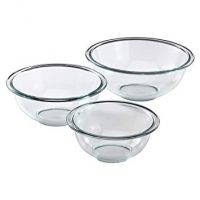 Pyrex Glass Mixing Bowl Set, 3-Piece
 -
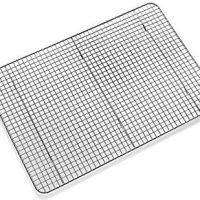 Bellemain Cooling Rack - 12 inch x 17 inch
 -
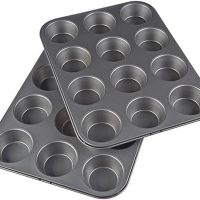 Nonstick Carbon Steel Muffin Pans, Set of 2
 -
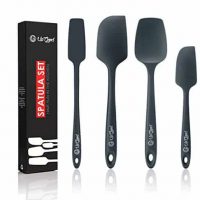 UpGood Silicone Spatula, Set of 4
 -
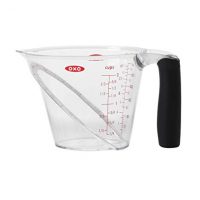 OXO Good Grips 2-Cup Angled Measuring Cup
 -
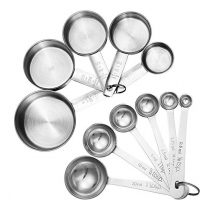 Accmor Stainless Steel Measuring Spoons and Cups Set
Nutrition Information:
Yield:
12Serving Size:
1Amount Per Serving: Calories: 158Total Fat: 3gSaturated Fat: 0gTrans Fat: 0gUnsaturated Fat: 2gCholesterol: 16mgSodium: 184mgCarbohydrates: 28gFiber: 1gSugar: 4gProtein: 4g
I used a bread machine for the dough which worked great. Is there a way to prevent them from getting brown around edges in muffin cup?
I'm glad it worked with your bread machine 🙂 As far as I know there is no way to prevent bread from browning as it cooks aside from undercooking it.
1st round of yeast failed. It was instant. Switched to active dry and increased the qty. Had to use the extra 1/2 cup flour to knead the dough after punch down. It was to moist. Rolls taste great. Didn't look great. The dough bleed together. No clover pattern. Maybe I needed to use more flour. I sifted it several times. When I attempted to cover with a moist towel it stuck. I ended up greasing plastic wrap to cover for second rise. Any tips for me? It was my 1st attempt at making rolls.
It sounds to me like your dough was too wet. Dough that is too wet tends to lose its shape and blend together. Humidity can have a big impact on how wet the dough is so its better to go by texture than anything.
This looks delicious!
do you think it can be made in a bread machine on the dough setting?
Honestly, I've never used a bread machine so I couldn't tell you... if you try it though I'd love to hear how it came out!