
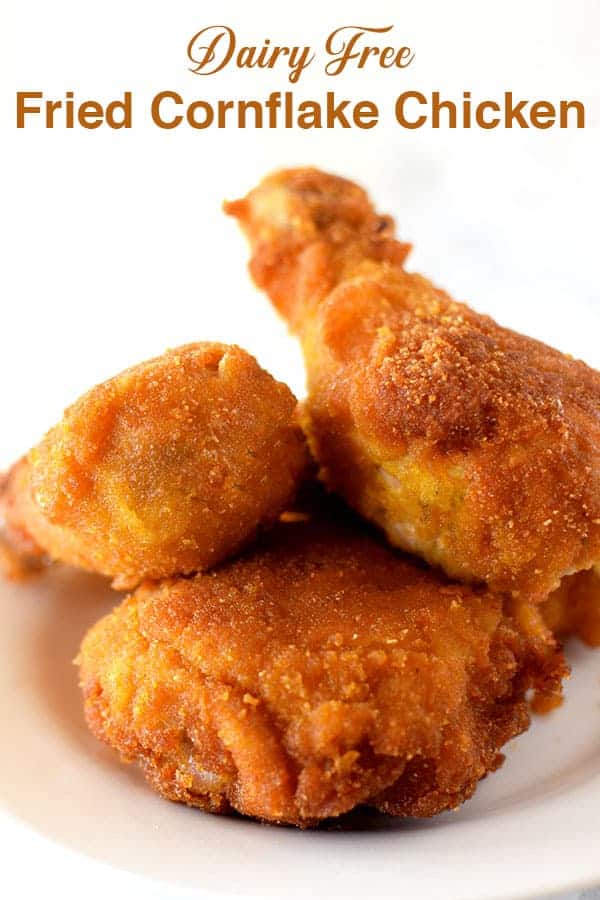
This fried cornflake chicken is crispy on the outside and juicy on the inside. It is not only one of the most delicious chicken recipes I've ever tasted, but a great way to use up stale cereal.
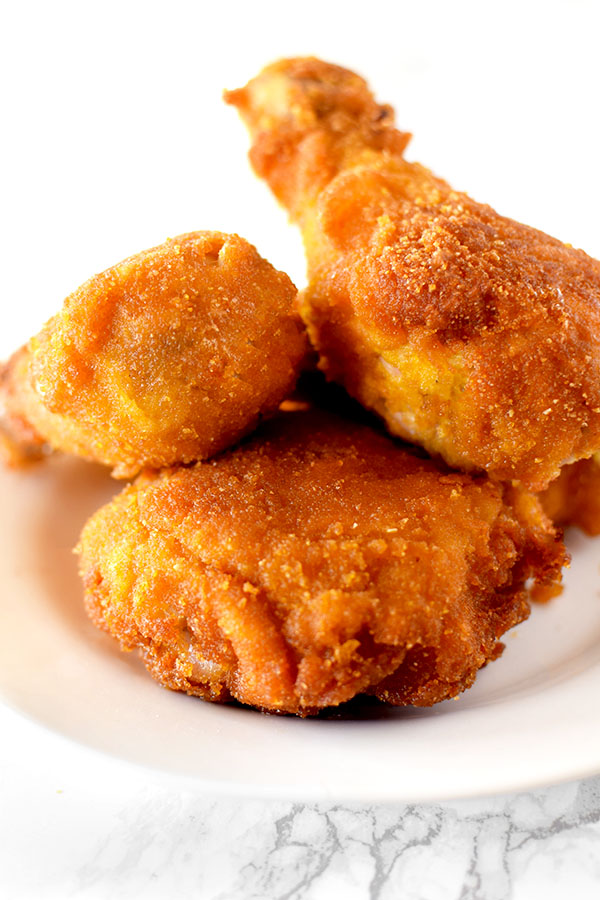
Fried chicken is one of my favorite foods.
I love everything about it: from the crispy flavorful crust, to the juicy and tender chicken inside.
The only thing better than classic fried chicken is this fried cornflake chicken.
Not only is it easier to make - since it only requires a few ingredients - it is also at least as flavorful.
Now I'm not saying you should give up your fried chicken for cornflake chicken… however I do think you should definitely add it to your recipe arsenal.
One of my favorite things about this recipe is that it is a waste not want not recipe.
You can use a fresh box if you want to but it works just as well with a box of old stale cornflakes.
That's actually how my family started making it.
Not only did we have stale cornflakes but we had boxes in the pantry that were being ignored.
Now cornflakes have made it back on the shopping list just because we make this chicken regularly.
Now, as you can see in the photo, this recipe doesn't use full or even broken up cornflakes.
After a lot of experimenting, I found that powdered cornflakes give the best crust that rarely falls off. Second to best are small pieces of cornflakes.
Larger pieces just refuse to stick when fried.
You can bake them if you want to, but it isn't nearly as flavorful.
I recommend surfing with mashed potatoes and green beans. Cornbread would also be nice.
Jump to:
- Can Frosted Flakes be used?
- How to Dredge Chicken
- What Temperature should the oil be heated to?
- Gluten Free Option
- Is kosher chicken better than regular chicken?
- Should you wash chicken?
- How can I clean my chicken without washing it?
- What's the best way to defrost chicken?
- Can you refreeze raw chicken?
- Should you brine the chicken first?
- What internal temperature indicates chicken is fully cooked?
- Why is my cooked chicken pink near the bone?
- Should chicken rest after cooking?
- How to store
- How to freeze
- How to reheat
- Recipes You May Also Like:
- Fried Cornflake Chicken
Can Frosted Flakes be used?
Yes. This recipe works with Frosted Flakes as well. The chicken will be a little sweet but not overly sweet. However, because my family gave mixed reviews, I only do this when I have Frosted Flakes that have gone stale.
How to Dredge Chicken
Dredging the chicken is what it's called when you coat the chicken. There are a few good ways to do this.
Double Handed
Use one hand to dip the chicken in the egg and the other to roll it in flour.
By using both hands, you avoid getting thick layers of batter on your fingers which will pull off the flour from the chicken, leaving balled spots.
If you start to notice one of your hands getting a little tick with flour, press your hands together and rub it over the flour bowl.
The little bits of flour that fall off into the bowl add texture to the chicken.
Bag Technique
Place the flour in a bag. For the first layer, you can throw in a bunch of pieces together.
Then, shake them off, and dip each piece in egg one by one.
Next, let the excess egg drip off and then re-coat with flour one at a time in the bag.
Shake off any excess flour and fry.
Container Technique
Place half the flour at the bottom of a container. Add the chicken and cover with the remaining flour.
Cover with a lid and shake for a minute. Each piece should come out well coated.
What Temperature should the oil be heated to?
When frying chicken, the temperature of the oil is important. If it's too cold, the chicken will be oily. On the other hand, if the oil is too hot, the crust will fall off.
When using a cooking thermometer, the oil should be about 350°F or 175°C to 375°F or 190°C degrees.
If you don't have a thermometer: when the oil seems hot, drop a little flour into the oil. If the flour sizzles and floats on the top, it's hot enough.
To make sure it's not too hot, keep it around medium-low and adjust as needed.
Gluten Free Option
For a gluten-free alternative, use cornstarch or potato starch instead of flour. They both fry very nicely.
Is kosher chicken better than regular chicken?
Kosher animals are kept in better conditions than non-kosher animals due to strict kosher health requirements of the animals.
Also, the salting process used as part of the process of making meat kosher is similar to dry brining, and therefore the meat may be juicer.
While I've only eaten kosher meat so I cannot compare, I've been told by non-Jews who do not keep kosher that they've noticed that kosher chicken is of superior quality to cook with.
Should you wash chicken?
According to the USDA, you should not wash meat or poultry, since water can splash bacteria up to 3 feet surrounding your sink.
A study done by Drexel University shows that it is best to move meat and poultry directly from package to pan. The heat from cooking will get rid of any bacteria that may be present.
Always wash your hands with soap and water after handling raw chicken.
How can I clean my chicken without washing it?
If you want to clean your chicken without washing it, wipe it down with a wet paper towel.
Just make sure the paper towel doesn't touch anything else and toss the paper towel right away.
What's the best way to defrost chicken?
The two best options are in the fridge and in cold water.
How to defrost in the Fridge
Defrosting chicken in the fridge is the most highly recommended.
To do this, place the frozen chicken in a pan and let it thaw. Oftentimes, when chicken thaws, it releases liquids that can leak onto your fridge, so the pan is really helpful.
Chicken typically takes a full day to thaw. Once thawed, it can remain in the refrigerator for a day or two before cooking.
How to defrost using cold water
A whole 3- to 4-pound chicken or a package of chicken parts should take about two to three hours to thaw.
Submerge your sealed chicken in a pot or bowl full of cold water. Change out the water every 30 minutes or so.
Do not use hot water because it can start cooking your chicken.
Once thawed, cook the chicken immediately.
Can you refreeze raw chicken?
Yes, but you do lose quality when refreezing previously defrosted meat.
Thawing can cause meat to lose moisture, which can also lead to some loss in quality and flavor. To compensate for this, marinate the chicken to add more flavor and juiciness.
Should you brine the chicken first?
Brining actually doesn't do much to improve poultry. In fact, it can make it soggy rather than juicy, with watered-down flavor.
Aromatic brines don't add much flavor either. This is because salt penetrates the meat much more readily than most of the larger flavor compounds in herbs and other aromatics.
Dry brining
A dry brine, on the other hand, helps the chicken retain more of its natural moisture without adding any excess liquid.
Initially, the salt draws moisture out, then it dissolves in this liquid, creating a concentrated brine, which eventually gets reabsorbed. This leads to more intensely flavored results.
An added benefit is that it also requires less space and mess than a water brine. Not to mention the fact that it allows for crispier skin.
How do you dry brine chicken?
Begin by patting the chicken with paper towels. This will help the salt adhere to the chicken.
Grab pinches of kosher salt and sprinkle it over the chicken until the chicken is generously salted and evenly coated.
Place the dry-brined chicken on a rack or a plate and refrigerate it. Refrigerate chicken pieces for at least 1 hour, skinless pieces for 30 minutes to 1 hour or up to about 12 hours, and a whole chicken for 8-24 hours.
Once the waiting period is up, there is no need to rinse off the chicken. Just cook it as usual.
What internal temperature indicates chicken is fully cooked?
Chicken must reach a minimum internal temperature of 165°F (74°C). Insert a meat thermometer into the thickest part of the meat without touching bone.
Why is my cooked chicken pink near the bone?
It's discoloration from the bones. It's nothing to worry about.
Should chicken rest after cooking?
Letting chicken rest for 5 to 10 minutes before cutting allows the juices to redistribute and gives the meat time to firm up.
How to store
Place cooled chicken in an airtight container or wrap in heavy-duty aluminum foil or plastic wrap. Store in the fridge for up to 4 days.
How to freeze
Freeze leftovers within 3 to 4 days. Place cooled chicken in an airtight container or resealable freezer bag.
Freeze for 4 to 6 months. After that, it is still safe to eat, but the quality begins to degrade.
How to reheat
Preheat your oven to 350°F (175°C) and heat until the chicken is warmed through.
The exact time will depend on the size and type of chicken, but smaller pieces typically take about 10 to 15 minutes, while larger pieces may take longer.
Recipes You May Also Like:
- Fried Chicken Without Buttermilk
- Dairy Free Beef Stroganoff
- Dairy Free Chicken Pot Pie
- Dairy Free Shepherd's Pie
- Dairy Free Lasagna
- Meatloaf without Milk
- Dairy Free Biscuits and Gravy
Fried Cornflake Chicken
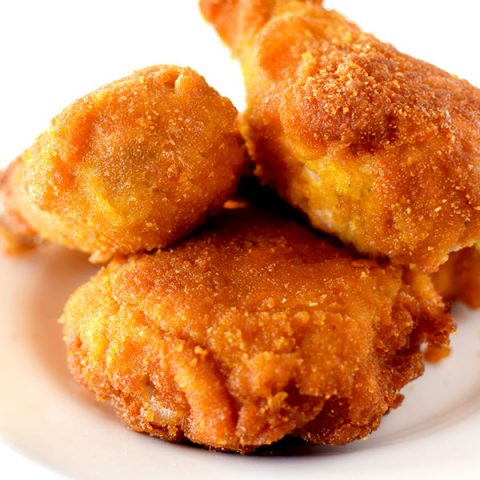
This cornflake chicken is juicy and packed with extra flavor, due it being fried instead of baked.
Ingredients
- 5 cups cornflakes (140 grams)
- 2 eggs, lightly beaten
- 4 leg quarters cut in two
- Oil for frying
Instructions
- Using a food processor, turn the cornflakes into a powder. Pour it into a mixing bowl.
- Heat the oil. You know it’s ready when you drop some powder in and it floats and fries instead of sinking. Turn down to a medium-low flame.
- Dredge a piece of chicken in the powder. Shake off the excess.
- Dip the piece in a second bowl with egg to coat. Let any excess drip off.
- Re-dredge the piece in the powder and place in the frying pan.
- Repeat this process until your frying pan is full but not crowded.
- Fry until golden brown. Flip and fry until golden brown on the second side.
- Remove the pieces and set aside on a cooling rack and repeat with the remaining pieces.
Notes
If you cut into the chicken and find it a little pinker than you’d like, don’t put it back in the frying pan. Instead, bake it in a preheated oven for 5 or 10 more minutes.
Recommended Products
Some of the links below are affiliate links, which means that if you choose to make a purchase, I will earn a small commission. This commission comes at no additional cost to you.
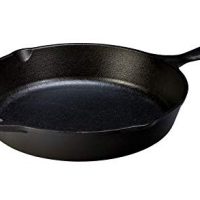
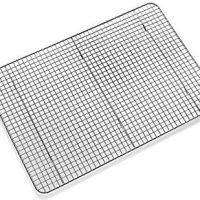
Nutrition Information:
Yield:
8Serving Size:
1Amount Per Serving: Calories: 512Total Fat: 25gSaturated Fat: 7gTrans Fat: 0gUnsaturated Fat: 16gCholesterol: 276mgSodium: 333mgCarbohydrates: 15gFiber: 1gSugar: 2gProtein: 54g
Can this recipe be baked instead of fried.? I am trying to sty way from fried foods.
Yeah it should bake just fine!